

Meet Basil, the King of Herbs
Basil is one of the world’s most beloved culinary herbs. Known for its fresh fragrance and distinctive flavor, it is used in Mediterranean, Italian, Southeast Asian, and Indian cooking.
The name basil is often associated with the Greek word meaning “royal” or “kingly.” This connection may explain why basil has traditionally been described as the “king of herbs.” Its fragrant leaves have also been used in perfumes, traditional herbal practices, cosmetics, and food preparation.
Basil belongs to the mint family, Lamiaceae, which also includes rosemary, sage, lavender, thyme, and oregano. Its botanical name is Ocimum basilicum. However, the name “basil” is also used for several cultivated types and closely related varieties, including sweet basil, Thai basil, lemon basil, and holy basil.
The species is native to tropical and subtropical Asia through northern Australia, according to Plants of the World Online. It is now cultivated worldwide, usually as an annual herb in regions with cool winters.

Where Did Basil Originate?
Basil has a long history of cultivation and use. It is commonly linked with India and Southeast Asia, where it has been valued in cooking and traditional wellness practices for centuries.
Today, basil grows in gardens, containers, greenhouses, and indoor herb gardens around the world. It is especially popular in warm climates because the plant grows quickly when it receives plenty of sunlight, warmth, and consistent moisture.
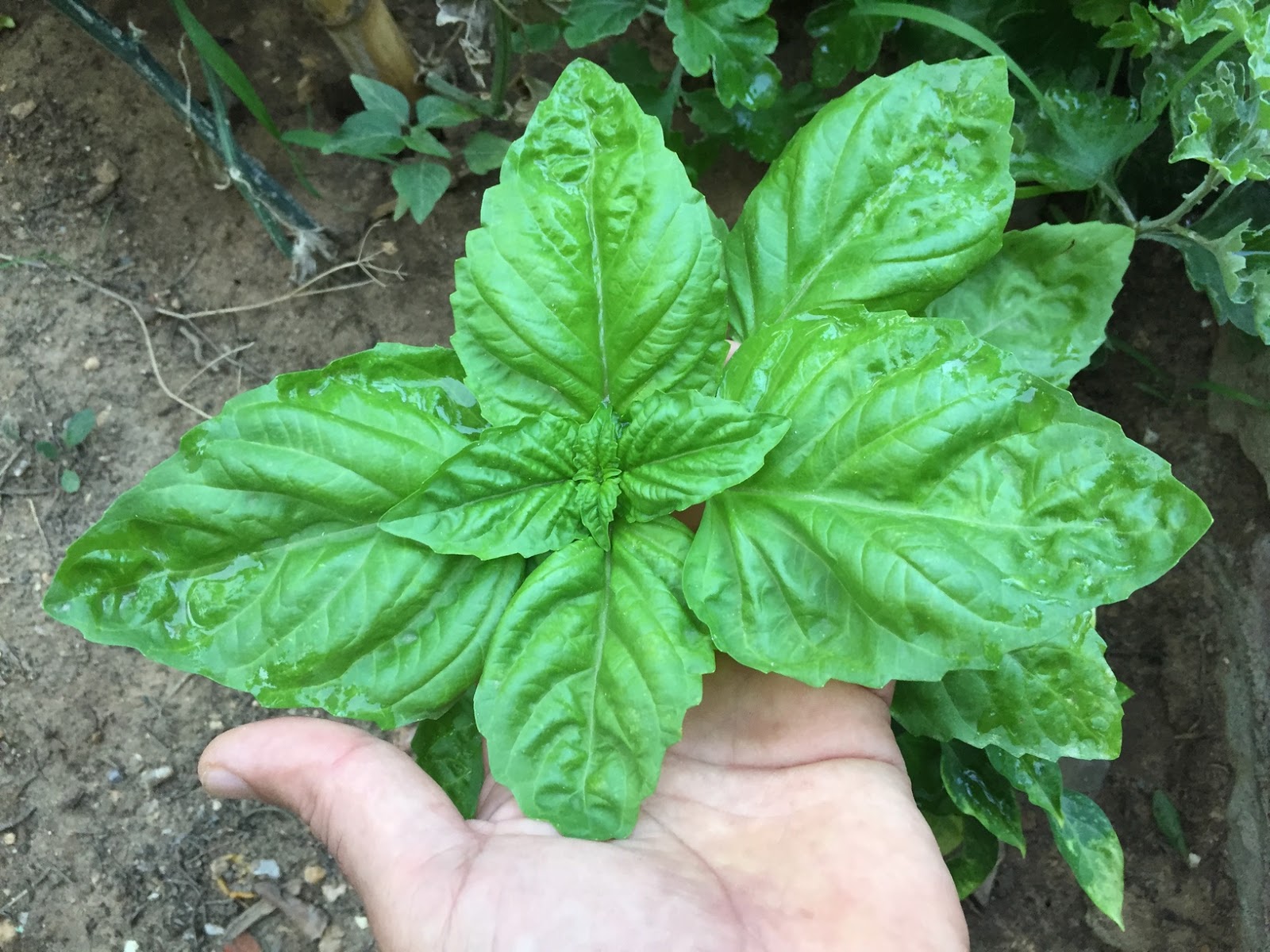
Basil leaves are used in many ways:
- Fresh in salads, sauces, soups, and sandwiches.
- Blended into pesto and other herb sauces.
- Cooked with vegetables, pasta, rice, and meat.
- Dried for use during the colder months.
- Infused into oils, vinegars, and herbal preparation
- Used for fragrance in some cosmetic and personal-care products.
Fresh basil generally provides the strongest aroma and most vibrant flavor. Dried basil is convenient, but its flavor is milder and more concentrated.
Basil Plant Description

Basil is a soft, leafy herb with branching stems and aromatic leaves. Depending on the variety and growing conditions, plants can grow from approximately 20 centimeters to 90 centimeters tall.
Typical basil plants have:
- Upright, branching stems.
- Opposite leaves attached to slender stalks.
- Green, purple, or reddish foliage.
- Smooth, wrinkled, narrow, or lettuce-like leaves.
- Small flowers arranged along upright flower spikes.
- A shallow, branching root system.
- A strong fragrance released when the leaves are bruised.
Basil stems are commonly square-shaped, a characteristic shared by many members of the mint family. The leaves may taste sweet, spicy, peppery, citrusy, or slightly licorice-like, depending on the cultivar.
Basil’s growth and flavor can change according to temperature, sunlight, soil, rainfall, watering, and geographic location. Warm conditions usually encourage vigorous growth, while cold temperatures can slow the plant or damage its leaves.
Are Basil Flowers Edible?
Yes, basil flowers are edible. They may be white, pink, light purple, or reddish-purple, depending on the variety.

Basil flowers have a delicate herbal flavor, although they can become stronger and slightly more bitter as they mature. You can use them to:
- Garnish salads and soups.
- Decorate pasta and vegetable dishes.
- Add to herb vinegar.
- Mix into compound butter.
- Sprinkle over pesto or tomato dishes.
- Attract pollinators to the garden.
If your goal is to harvest abundant leaves, pinch off flower buds regularly. Once basil begins flowering heavily, it may produce fewer tender leaves and the foliage can develop a stronger flavor.
Basil Leaves: Nutrition and Health Considerations
Basil leaves are flavorful but are usually eaten in small amounts, so they should be viewed as a nutritious culinary herb rather than a stand-alone treatment.
Fresh basil contributes small amounts of vitamins and minerals, including vitamin K and vitamin A. Vitamin K is involved in normal blood clotting and bone health, while vitamin A supports vision and normal cell function. Nutritional values vary according to the amount eaten and whether the basil is fresh or dried. For reliable nutrition information, consult a food-composition database such as USDA FoodData Central.
Basil also contains aromatic plant compounds such as eugenol, linalool, and citronellol. Laboratory and early research has investigated these compounds for antioxidant, antimicrobial, and anti-inflammatory activity. However, evidence from laboratory studies should not be presented as proof that eating basil prevents or treats diseases.
For accurate, reader-safe writing, avoid claiming that basil:
- Cures stress.
- Treats acne.
- Prevents heart disease.
- Balances the body’s pH.
- Treats rheumatoid arthritis.
- Replaces medical treatment.
A safer statement is: “Basil contains aromatic plant compounds that are being studied for their biological activity, but more human research is needed to confirm specific health effects.”
If using basil supplements, concentrated oils, or holy basil products, you should seek professional advice, particularly during pregnancy, before surgery, or when taking prescription medication.
How to Enjoy Fresh Basil
Fresh basil is most flavorful when harvested just before use. Add the leaves near the end of cooking to preserve their aroma, or tear them over finished dishes.
Try basil in:
- Tomato and mozzarella salad.
- Homemade pesto.
- Pasta and pizza.
- Vegetable soups.
- Rice and noodle dishes.
- Lemonade and iced tea.
- Herb-infused vinegar.
- Fresh salsa.
- Roasted vegetables.
- Bean and lentil dishes.
To store fresh basil, place the stems in a glass of water at room temperature and loosely cover the leaves with a bag. Refrigeration can darken basil leaves, although storage results vary by temperature and humidity.
Benefits of basil leaves
The benefits of basil leaves are quite a lot!
- Basil is considered as a powerful anti-stress agent. Its anti-inflammatory and immune-boosting properties help manage stress
- The powerful essential oils, including eugenol, citronellol and linalool, help lower inflammation through their enzyme inhibiting properties. The anti-inflammatory properties of basil may help lower risk of heart disease, rheumatoid arthritis and inflammatory bowel conditions.
- The strong anti-inflammatory and antimicrobial properties of basil would help prevent formation of acne.
- The eugenol present in the leaves of basil ensures anti-inflammatory action in the digestive tract and helps balance acid within the body and restores the body's proper pH level.

- Consuming basil leaves boosts your intake of vitamin K. The vitamin K in your body activates proteins needed for healthy tissue growth, including your cartilage, bone and stomach. It also plays a major role in helping your body form blood clots, and works to prevent abnormal bruising, internal bleeding and blood loss.


Watch: Basil The King Of The Herbs Video
Popular Basil Varieties
Basil varieties differ in height, leaf shape, color, fragrance, and flavor. Here are some popular types for gardens and containers.
There are several varieties, differing in the size, shape, odour and colour of the leaves. The Common Basil has very dark green leaves, the curled-leaved has short spikes of flowers, the narrow-leaved smells like Fennel, another has a scent of citron and another a tarragon scent, one species has leaves of three colours, and another 'studded' leaves.

. Christmas Basil
Christmas Basil have shiny green leaves and small purple flowers. the plant will reach up to 1.5 feet but is generally about a foot in height. Its flavor is a tad fruity and has been compared to wine. Its aroma does not betray its taste in that it has an evergreen scent reminiscent of pine. The origin of its name "Christmas" is uncertain whether it comes from its cold tolerance or pine like aroma.. Cinnamon Basil
Cinnamon basil is tall and bushy reaching around 3 feet in height with an equal girth. The leaves are thin and serrated. Coloration green leaves and lilac colored stems, pointed light purple flowers. Cinnamon basil has a mild cinnamon flavor and aroma .. Dark Opal Basil
. Green Ruffles Basil
This cultivar reaches a height of up to 2 feet and roughly 1.5 feet wide. Its leaves look like immature lettuce leaves, they are lime green and ruffled. The flowers are pinkish white, sometimes more white than pink. It is more delicate than many other varieties and requires more care . The flavor is comparable to sweet basil with a hint of cinnamon.. Holy Basil
Holy basil attains a height of up to 1.5 feet. Have a bushy growth and produces stems and leaves that range in color from light green to dark purple.. Genovese Basil
A sweet basil and one of the most commonly cultivated. It is an Italian variety. Its leaves are a crinkled dark green and extremely tender, So popular in pesto and assorted sauces and salads. This basil Should be started early indoors in most regions or outside after any danger of frost.. Greek Basil
Not only that, but it is mildly sweet and spicy and has been compared to cloves, so far as aroma is concerned it mimics the flavor but is not overly aromatic.
. Lemon Basil
It is named "Lemon" because it has a citrus flavor and aroma. The plant produces slender and narrow light green leaves. The flowers differ little from other basil cultivars in appearance but emit a lemony aroma.. Lettuce Basil
Large Leafed Italian, Large Leaf Basil or Crispum Basil. This Plant reaches 1.5 to 2 feet in height. Crinkled, delicate 3-4 inch medium green broad leaves. Mild flavor and aroma clove and mint, slight peppery taste.. Sweet Basil
The most popular and widely used culinary herb. It is a tender annual, aromatic plant with a spicy odor and flavor. It grows 12-18 inches tall, and foliage color can range from green to purple. Foliage size can vary from large lettuce-like leaves to very small leaves, half inch in size.. Summerlong Basil
A dwarf basil developed by Burpee that averages about 10 inches tall. What it lacks in height it makes up for in vigor. Summerlong retains its bushy stature and produces longer than other varieties.. Thai Basil
Thai Basil, sometimes called Siam Queen. It is related to mint and is sometimes classified as a sweet basil. Siam Queen is native to Southeast Asia. The plant produces has narrow green leaves, purple stems, and pinkish purple flowers. The leaves of this variety are larger than other Thai varieties and hence produces a much larger yield. It attains a height of 1 to 1.5 feet and grows in a bush habit. The flavor is spicy sweet with only a hint of cinnamon and licorice.Final Thoughts
Basil is much more than a garnish. With its fragrant leaves, edible flowers, colorful varieties, and long culinary history, it is one of the most rewarding herbs to grow and use.
Whether you choose Genovese basil for pesto, Thai basil for stir-fries, lemon basil for drinks, or compact Greek basil for a container garden, each variety offers a unique combination of flavor, fragrance, and beauty.
Basil truly earns its reputation as the “king of herbs”—not because every health claim about it is proven, but because it brings exceptional versatility to the kitchen and garden.
Which basil variety is your favorite?
Please let us know your thoughts, experiences, or questions in the comments below. If you like this, you can share with your friends!
Want To Read: How To Grow Basil
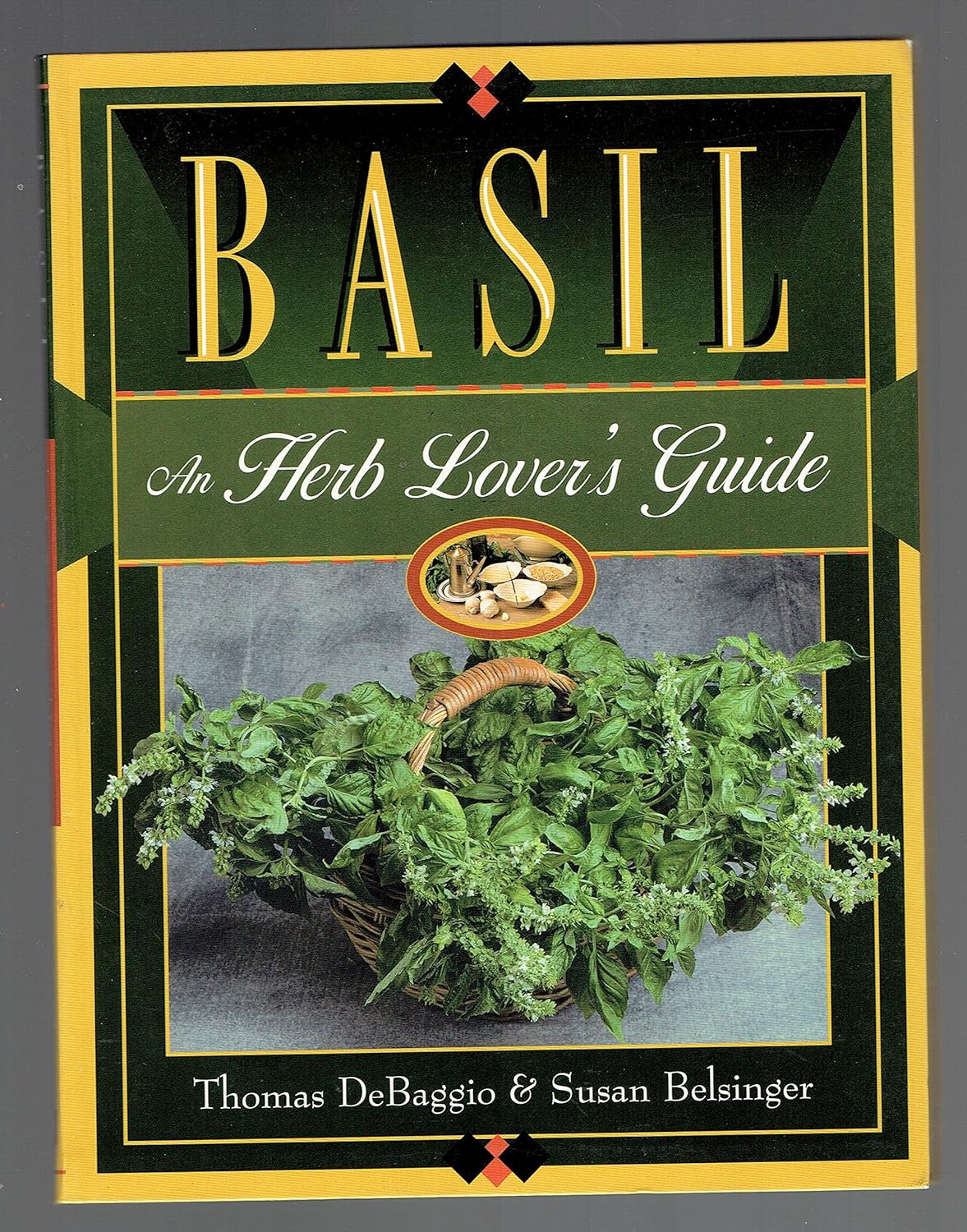
Useful Book to Read: Basil: An Herb Lover's Guide
Affiliate Disclosure!This website is a participant in the Amazon Services LLC Associates Program, an affiliate advertising program designed to provide a means for sites to earn advertising fees by advertising and linking to Amazon. Some of the links to products on this site are affiliate links. These are products that I've used or recommend based from homesteading experience. I do make a small commission (at no extra cost to you) from these sales. {alertInfo}